
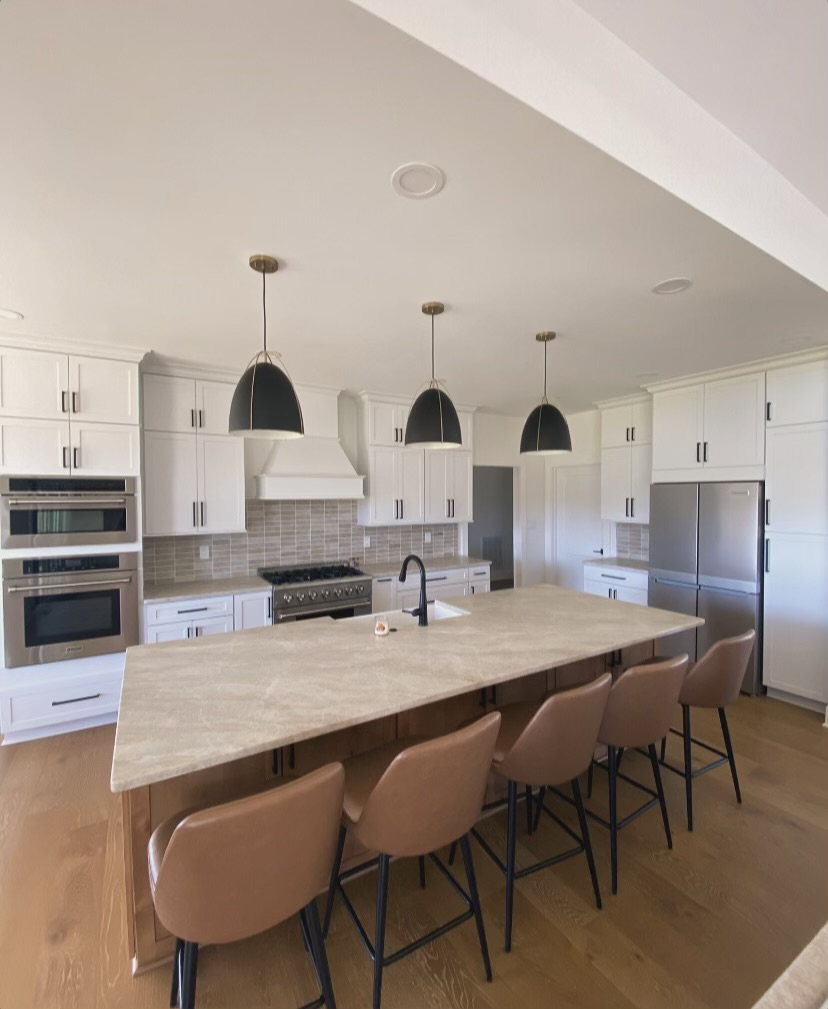
The right balance of style and practicality can turn an ordinary space into the heart of the home. Take the interior design of the kitchen, for example — it demands more than good taste. It requires thoughtful planning, smart layout choices and a clear vision that reflects personal style.
From cabinetry and materials to finishes and lighting, these essential considerations will help you master the interior design of any kitchen. The result is a space that’s both beautifully designed and effortlessly functional.
Setting Design Goals
The first step when starting an interior design or renovation project is to determine the goals and expectations. Some goals may be purely aesthetic, like wanting an outdated kitchen to feel more modern. Other goals may be driven by practicality, like additional storage or appliances.
In most cases, a design or renovation project will include both aesthetic and practical goals and requirements.
One other essential goal to consider is the budget. The amount of money you can spend will inform the entire scope of the project and the quality of the materials and appliances.
Planning Layout and Workflow
The layout of a kitchen is crucial to its usability — after all, it’s primarily a functional space. Consider the steps involved in preparing a meal. The “working triangle” describes the relationship between the sink, the refrigerator and the main area used for food preparation. When these elements are arranged efficiently, cooking tends to feel smoother and more intuitive.
However, this can vary based on the individual’s needs, cooking style and the appliances or gadgets they use.
Some people choose to divide their kitchen into different “zones”, such as a zone for food preparation, a zone for storage, a zone for cooking and a zone for cleaning.
Traffic flow is another important factor. Consider how people move through the kitchen throughout the day, especially if it also serves as a dining area. In a busy kitchen, smart planning helps prevent congestion and keeps everything running smoothly.
The plumbing will also be a major factor in the kitchen’s layout, as it dictates the location of certain appliances. If you don’t want to be constrained by the existing location of any pipes, you may need to relocate the plumbing system.
Interior Design of the Kitchen: Choosing Materials and Finishes
Cabinets
When it comes to kitchen cabinets, most are made from either solid or engineered wood of various types, although you can also find cabinets made of metal or glass.
In addition, consider whether the kitchen would be better served with framed or frameless cabinets. This choice can affect the amount of storage available as well as the complexity of the installation process.
Countertops
A lot of thought goes into kitchen countertops because the material you choose can dramatically influence the look and feel of the room. For instance, granite adds a rich, natural character, while quartz offers a sleek, low-maintenance option that delivers long-lasting durability.
When selecting a countertop material, consider how much wear and tear daily food preparation will create. The right choice balances beauty, strength and ease of care with a surface that looks great and performs well for years to come.
Flooring
Tile, vinyl, laminate and wood are all common materials for kitchen flooring. Hardwood is often prized for its authentic aesthetic, while laminate is low-maintenance and easy to clean. Each material option is also available in a range of different finishes to suit every project.
Backsplash
A kitchen backsplash not only protects walls from water, grease and other spills, but it can also make a striking design statement. By complementing or contrasting with countertops, cabinetry or other finishes, a backsplash helps to define the kitchen’s overall style. Popular materials range from tile and stone to marble and quartz, offering endless options to suit personal taste.
Incorporating Appliances and Fixtures
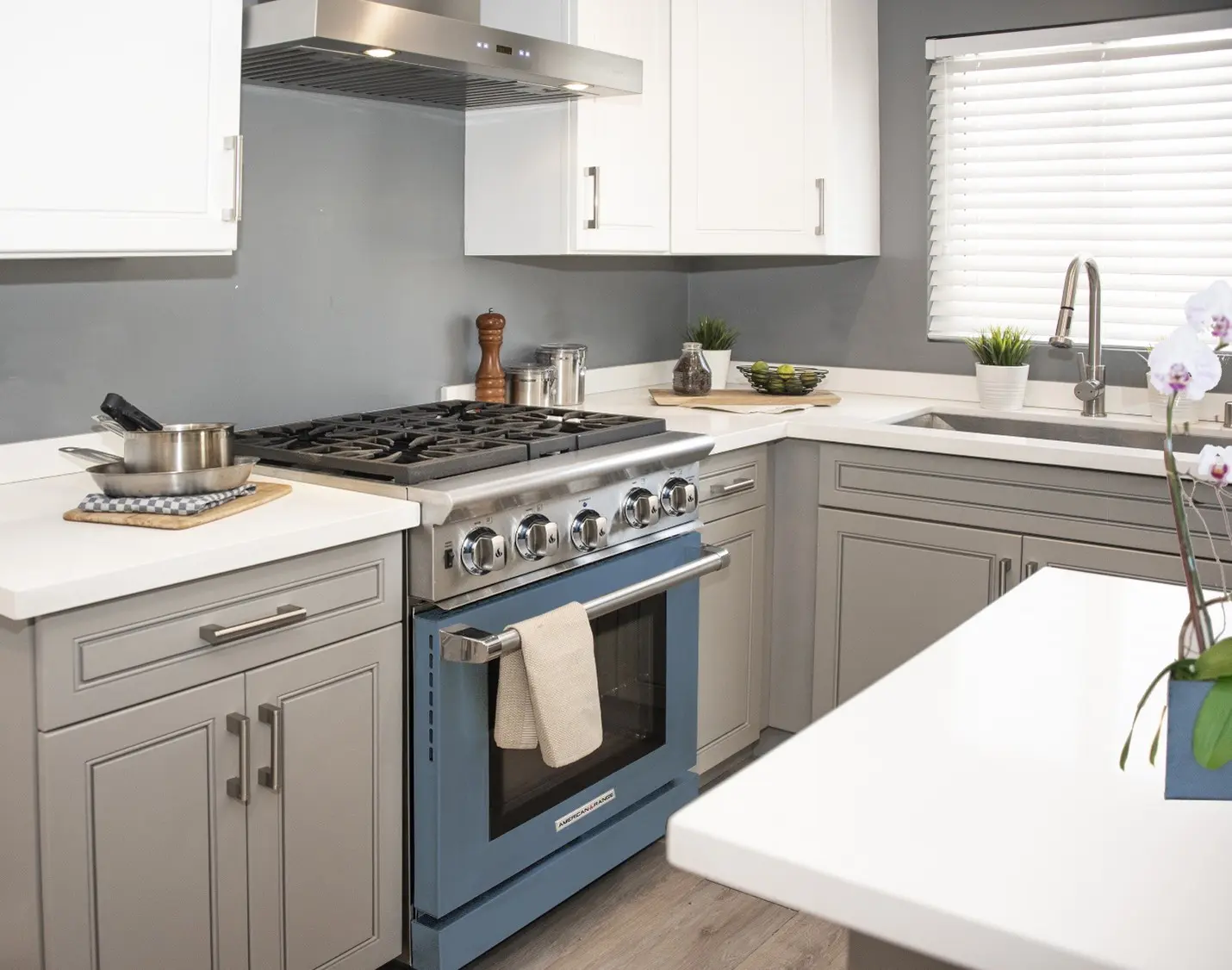
Not only are appliances a vital aspect of a functioning kitchen, but the appliances you choose can inform the overall layout and design plan of the kitchen.
At the planning stage, determine what appliances are needed. Today, there are more appliances than ever before, including smart appliances that can connect to Wi-Fi for added convenience and control.
Most kitchens will need at least an oven, a stove, a refrigerator and a freezer. Other popular appliances include dishwashers, microwaves and toasters. While a small appliance like a toaster doesn’t take up much space, it’s important to plan its placement to maintain an efficient morning workflow and ensure it has access to a nearby power outlet.
Finally, although energy-efficient appliances may cost more upfront, homeowners can save significantly with lower energy bills over time.
Lighting Design for Function and Style
Lighting is crucial for a kitchen. Although many rooms benefit from dim “mood” lighting, a kitchen requires clear, bright light so that food preparation can be carried out safely and efficiently.
Bright ceiling lights, whether recessed or hanging pendants, are particularly important in a kitchen. Additional task lighting, such as under-cabinet LEDs, can be useful to ensure brightness in areas where precision is key.
However, practicality doesn’t have to ruin style and ambiance. You can use accent lighting in addition to practical lighting to create visual interest and to highlight architectural details or other features.
When selecting lighting fixtures, think about how they fit with the overall interior design of the kitchen. Ornate, decorative fixtures tend to complement a traditional style, while sleek, minimalist designs are a natural fit for a modern kitchen.
Bringing It All Together: Style Cohesion
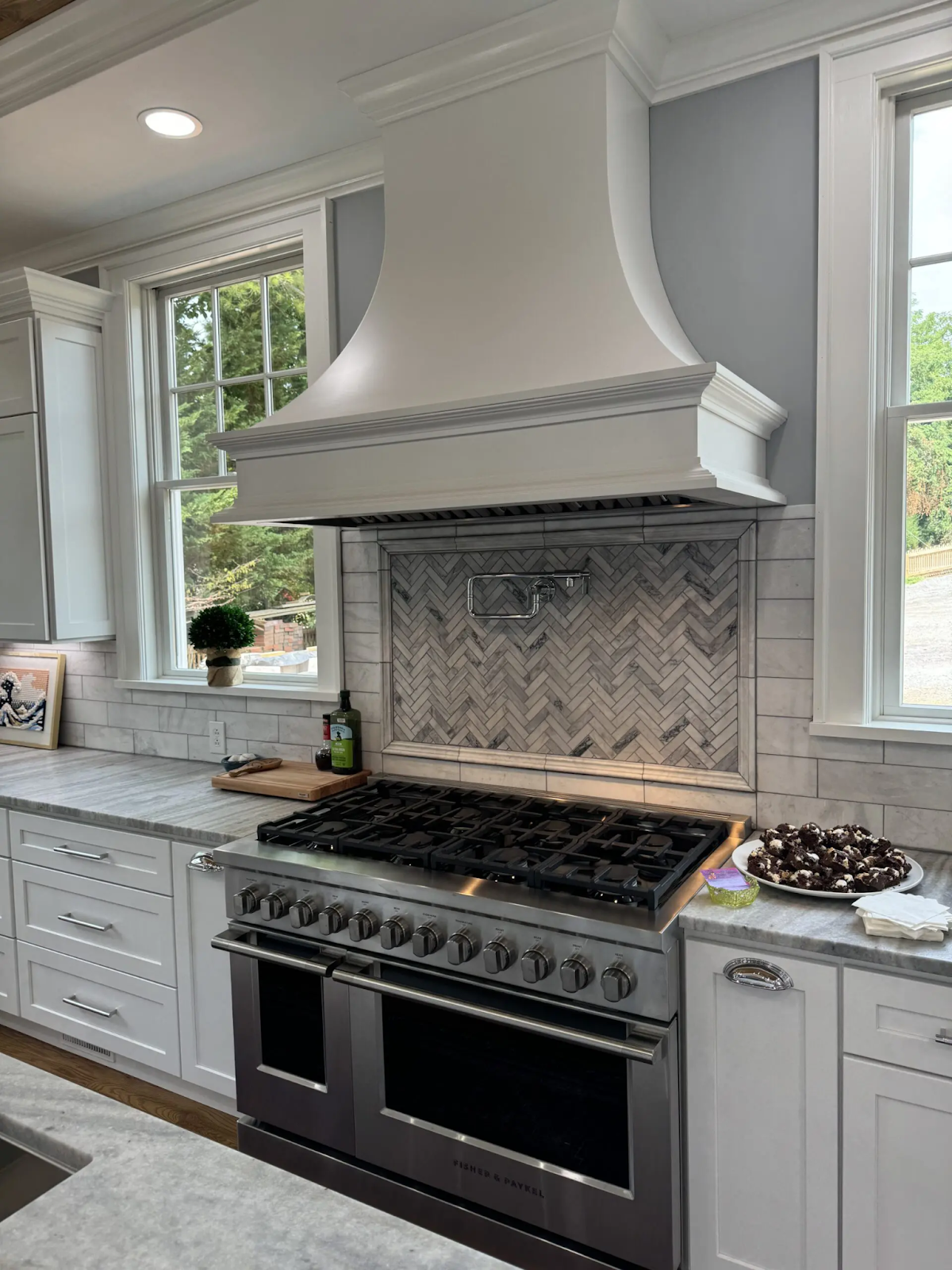
To achieve a consistent visual style in the kitchen, make sure that every element — color, lighting, materials and finishes — works together harmoniously. At the same time, subtle contrasts can add interest, such as pairing matte-finish cabinets with glossy metal fixtures.
Whether the kitchen leans modern, traditional or rustic, maintaining a clear and consistent aesthetic ensures that the space feels intentional and well-designed.
Choose Berry Home Centers For Your Kitchen Project
For nearly 90 years, Berry Home Centers has been the trusted source for top-quality building materials across Southwest Virginia and Northeast Tennessee. From cabinets and countertops to flooring, plumbing and appliances, we carry everything you need to bring a kitchen to life.
Our knowledgeable team is ready to guide you toward the perfect products for your style and budget. Take the first step toward that dream kitchen today by contacting us for expert advice and a personalized quote!