
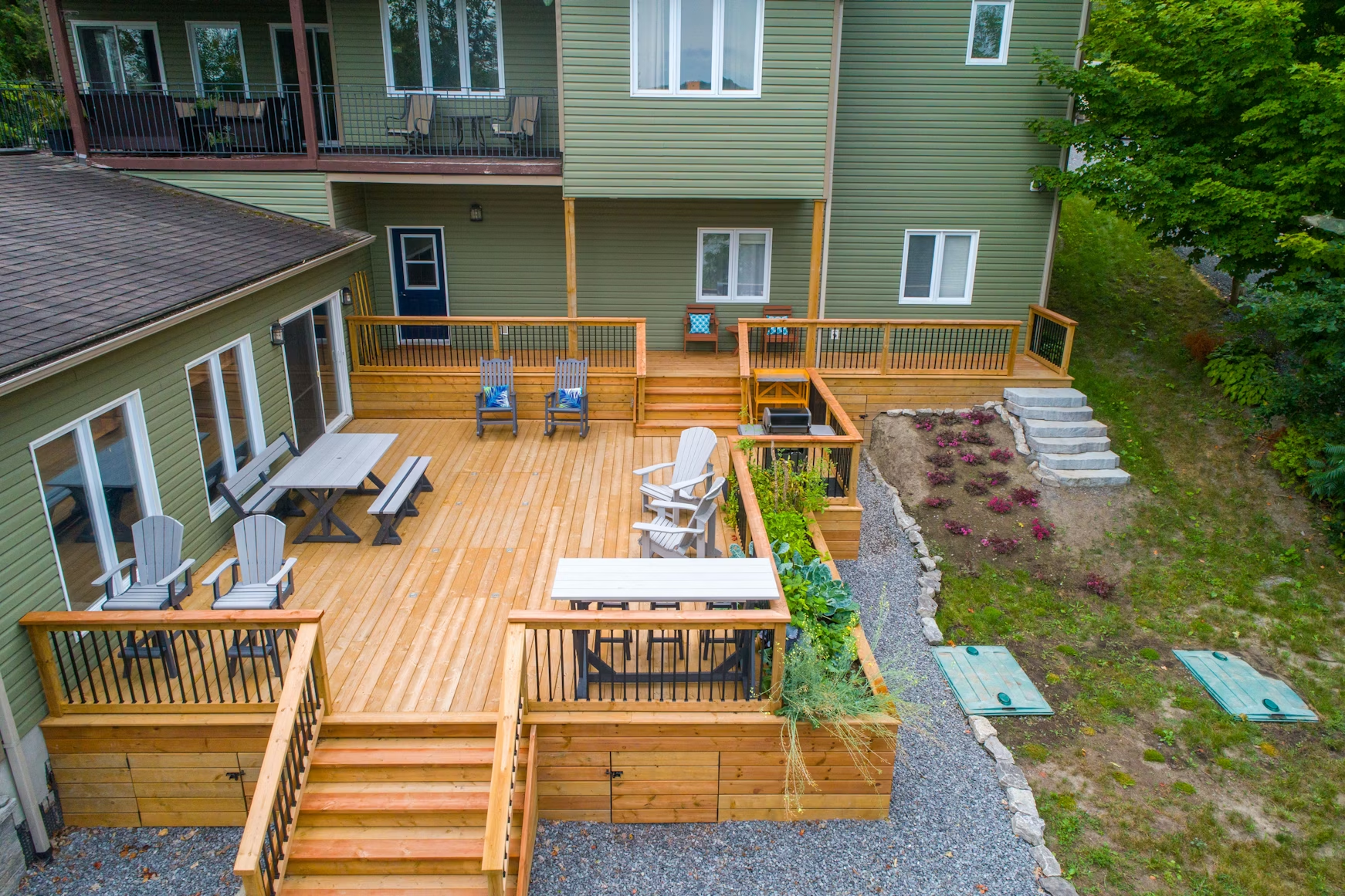
When choosing decking material, many people turn to composite boards for their durability and resistance to outdoor conditions. However, composite isn’t the only option for long-lasting decks — pressure-treated deck boards are becoming an increasingly popular choice.
Pressure-treated lumber offers a range of real benefits. Here’s why it’s a smart pick for deck boards, how to maintain them and where to find top-quality materials.
What Are Pressure-Treated Deck Boards?
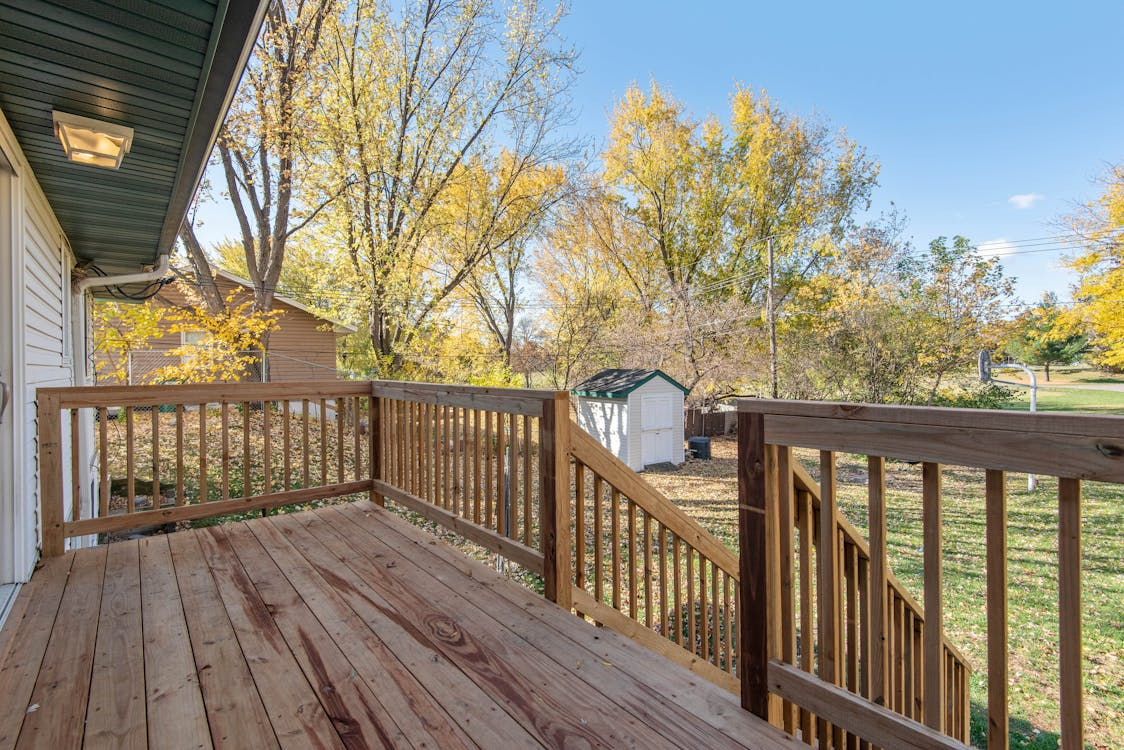
Pressure-treated deck boards are natural wood boards that have been preserved through pressure treatment. This process uses vacuum technology to force preservatives into woods like pine (the most common), fir, hemlock and spruce.
These boards combine the natural beauty of wood with enhanced strength and durability, giving you the best of both worlds — style and long-lasting performance.
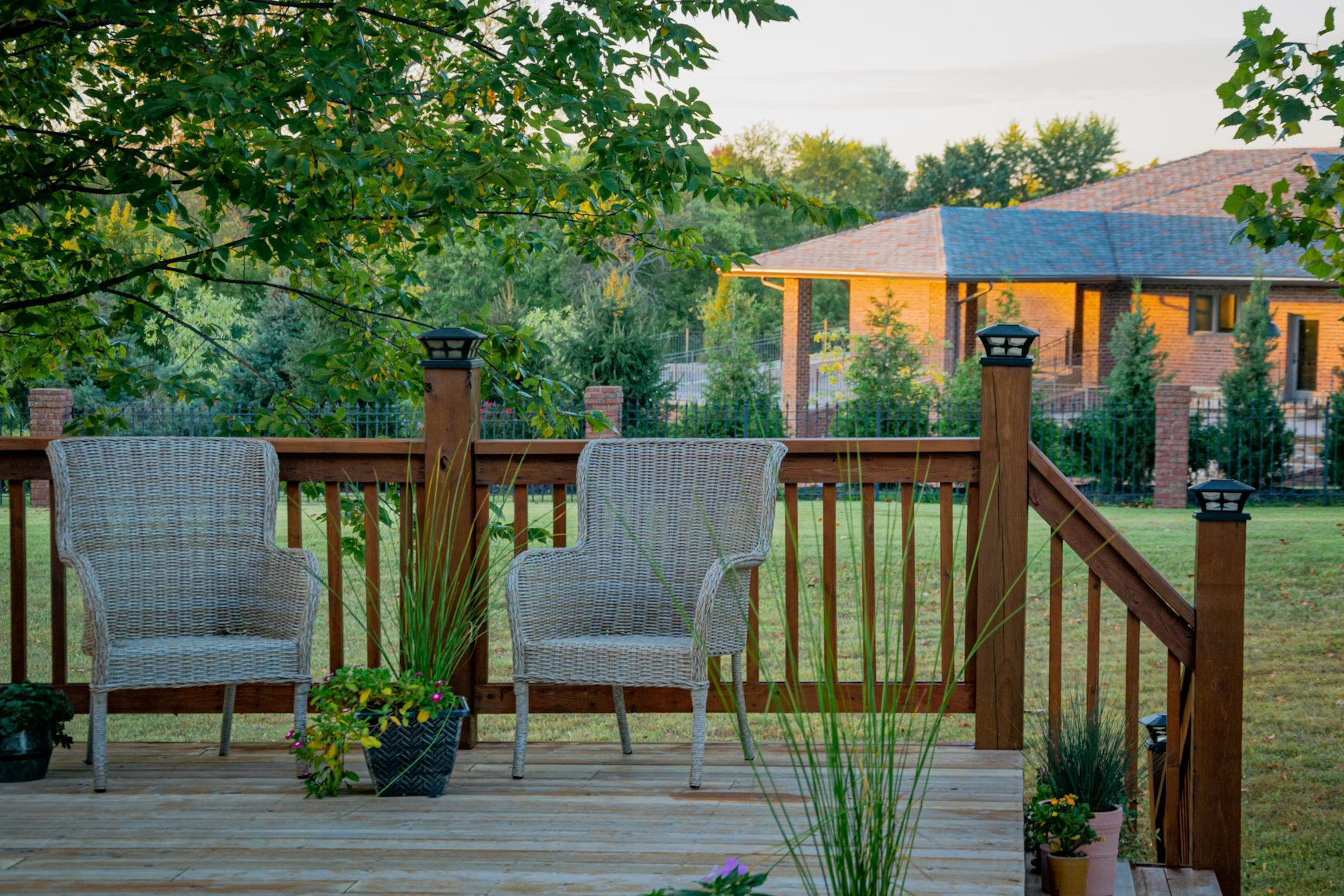
With a look that often resembles rich cedar, pressure-treated lumber is especially well-suited for outdoor applications such as garden decks. It’s also commonly used in public outdoor structures, including fences, benches, bridges and more.
Benefits for Outdoor Projects
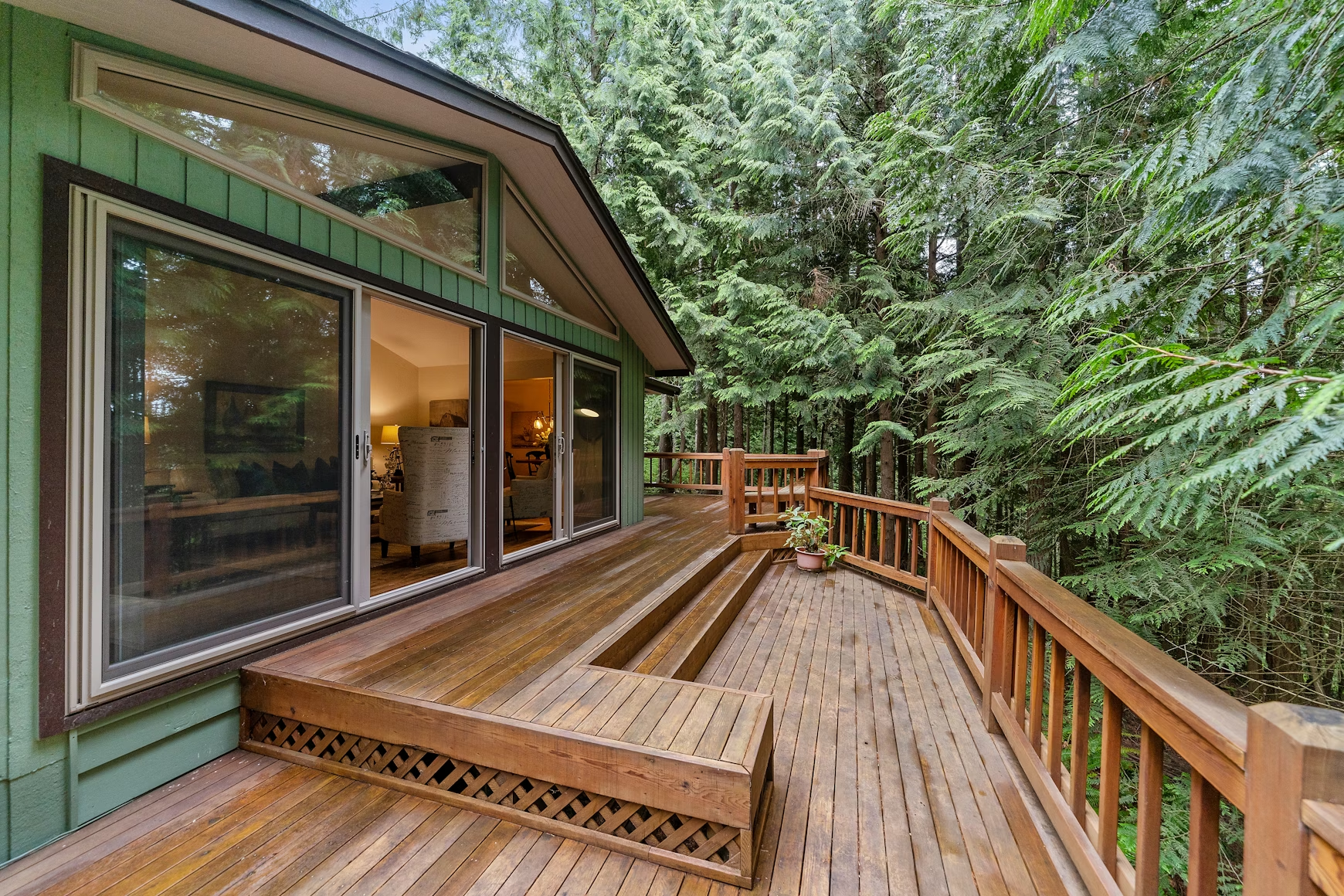
Pressure-treated deck boards offer a combination of durability, affordability and resistance to the elements, making them a top choice for outdoor home projects of all kinds.
Rot Resistance
Resistance to rot and decay is essential for materials used outdoors, especially in humid or rainy climates.
Pressure-treated lumber achieves this by saturating the wood’s natural fibers with chemical preservatives, creating a barrier that protects the wood from moisture, mold and fungal growth.
In addition to rot resistance, the boards also repel pests like termites and other insects that can damage decking over time.
Affordability
Compared to composite decking, cedar, redwood or other natural hardwoods, pressure-treated lumber is typically more cost-effective. This can make a big difference for larger outdoor projects.
Beyond the lower upfront cost, its low-maintenance nature reduces the likelihood of costly repairs or replacements, providing long-term savings for budget-conscious builders and property owners.
Strength
The preservatives in pressure-treated lumber add extra strength, making it more durable against wear-and-tear, scratches, dents and other common outdoor damage.
The boards are also well-suited for load-bearing applications, supporting heavy foot traffic, outdoor furniture, barbecues and other items that can place stress on decking surfaces.
Comparisons with Other Materials
As we’ve seen, composite boards are a popular choice for decking, offering many of the same durability benefits as pressure-treated lumber. They’re generally more resistant to fading and splintering right out of the box. However, with a simple coat of stain or finish, pressure-treated boards can last just as long and usually at a lower cost.
Compared to untreated wood, pressure-treated deck boards are far tougher against moisture, rot and insect damage, with a much longer lifespan, especially in humid or rainy climates.
Both natural and pressure-treated lumber deliver that classic wood look, but pressure-treated boards add considerable value with extended longevity and lower maintenance, making them a smart choice for long-lasting outdoor decks.
Maintenance Tips
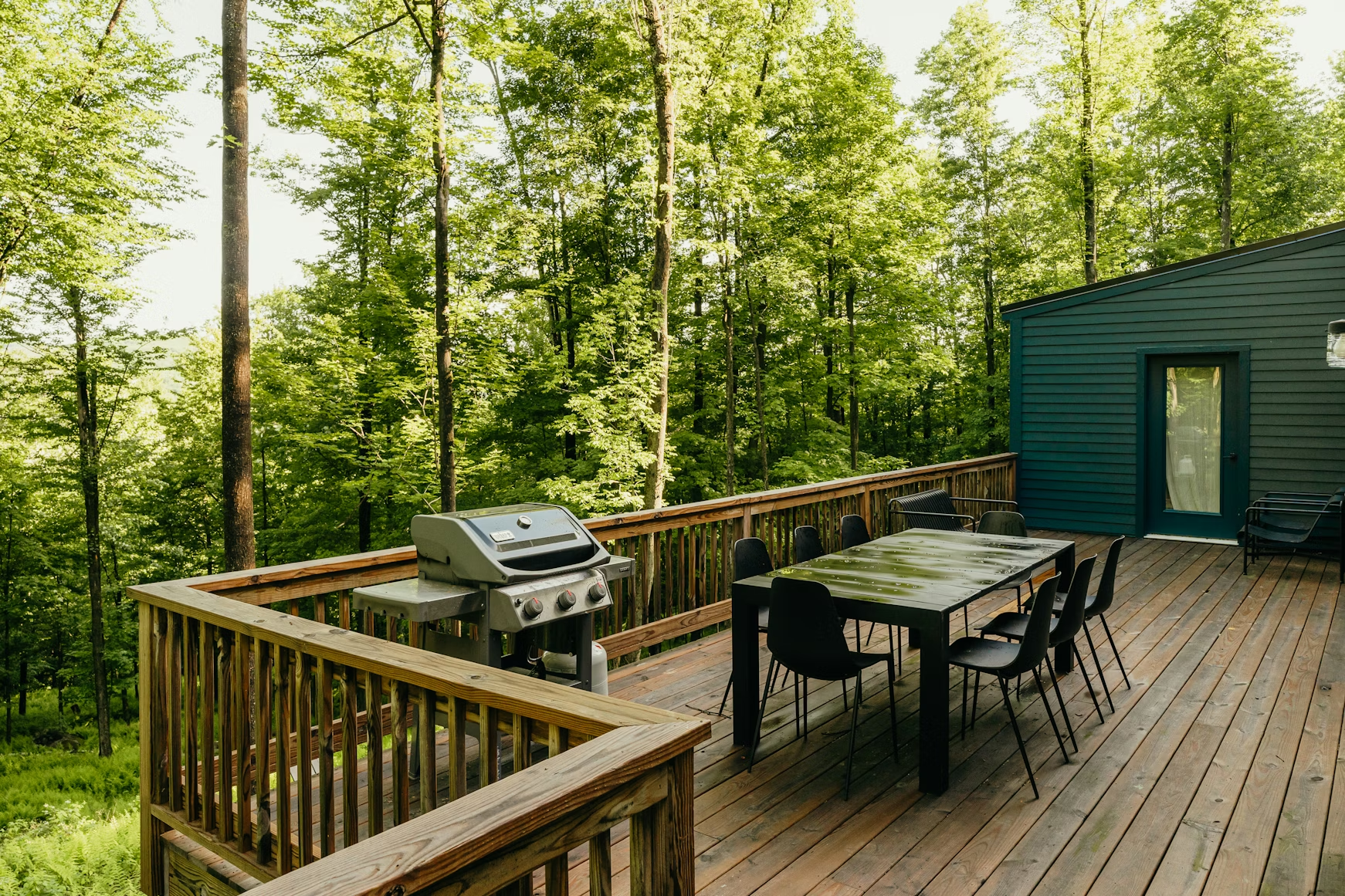
Although pressure-treated deck boards tend to require much less maintenance than other material options, there are some minor maintenance requirements if you want the material to stay as strong and aesthetically pleasing as possible.
Any decking material that includes natural wood is inherently susceptible to fading, splintering and checking (drying out and splitting) to some degree. Color fading occurs from UV exposure, while splintering and checking result from the natural wetting and drying cycles that come with outdoor use.
Thankfully, protecting your decking from these effects is simple:
- Utilize a Sealer: Apply a high-quality, water-repellent penetrating sealer to the wood once construction is complete. Reapply each year to maintain your deck’s color and strength, along with any stains as needed.
- Regular Upkeep: Keep your pressure-treated deck looking fresh by regularly sweeping away leaves and debris and washing it with warm water and a small amount of household detergent.
Environmental and Safety Considerations
Pressure-treated lumber has a relatively low environmental footprint compared to other materials, thanks in part to its long lifespan that reduces the need for frequent replacements.
Manufacturers must also meet strict environmental standards during the treatment process, and the chemicals used for preservation are heavily regulated.
However, there are some important safety considerations. While regulated, the chemical preservatives can be harmful if forcibly released into the air. Never burn pressure-treated lumber. Instead, take it to a recycling center or have it collected by a professional when it’s ready for disposal.
As with any type of wood, always wear masks, gloves and safety goggles when handling pressure-treated lumber and work in a well-ventilated area.
Upgrade Your Deck, Elevate Your Lifestyle with Berry Home Centers
For over 50 years, Berry Home Centers has supplied quality building materials to homeowners and professionals across Southwest Virginia and Northeast Tennessee.
We offer high-quality decking boards for every outdoor project, including pressure-treated and composite options, so you can find the best fit for your needs. Our selection also includes a variety of visual styles, from classic wood tones to bold colors and multi-tone designs.
Beyond decking boards, we provide railing systems and lighting solutions to help you create a complete, stylish outdoor space.
Explore our full range of decking products and start building the outdoor space you’ve always dreamed of. Contact us for a quote today!