
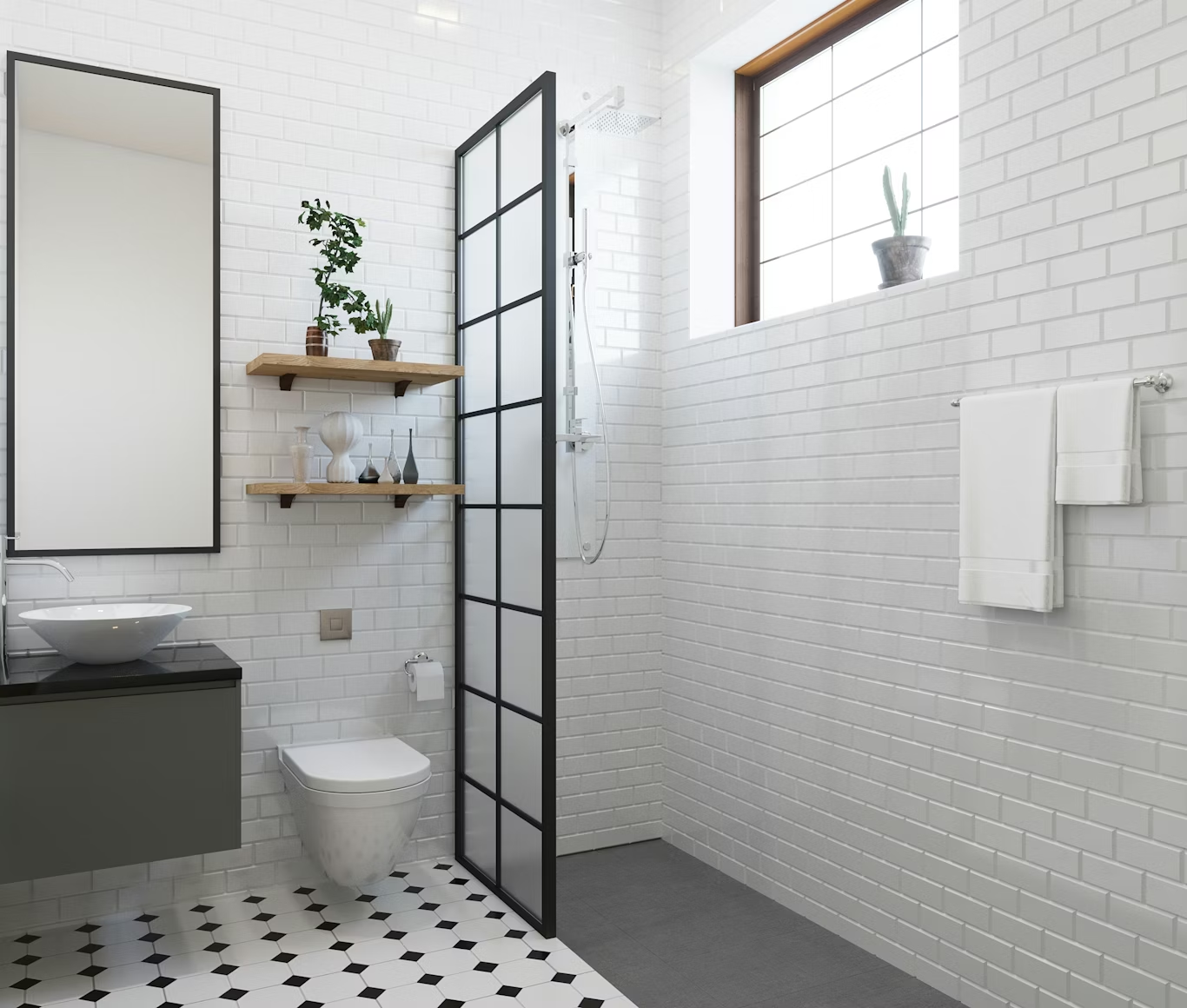
Wet areas are where tile installations either prove their quality or fail. From showers and tub surrounds to kitchen backsplashes, choosing the right tile backer board is one of the most important decisions you’ll make before the first tile is ever set.
This is because the proper substrate protects the structure behind the tile, controls moisture where it matters most and helps prevent costly repairs, callbacks and long-term damage.
Below, we break down the most common tile backer board options, the key factors that influence performance and practical best practices to ensure your installation holds up over time.
Why the Right Tile Backer Board Matters in Wet Areas
In wet environments, water intrusion is a certainty. Moisture will find its way through grout lines, corners and penetrations, making the backer board a critical protective layer within the wall or floor system.
The Role of Tile Backer Boards in Moisture Management
Tile and grout aren’t waterproof. Moisture can seep through grout lines and edges, making the backer board the true line of defense.
A quality backer board keeps water away from studs, subfloors and insulation, preventing mold, rot and structural damage. Using the wrong substrate can compromise even the best-looking tile installation.
In wet areas, the backer board must either be naturally water-resistant or work seamlessly with waterproofing membranes to manage moisture over the system’s lifespan.
Common Wet Area Applications (Showers, Tubs, Backsplashes, Etc.)
Wet areas experience different levels of moisture. Showers and steam rooms face constant water and vapor, tub surrounds get intermittent exposure and backsplashes see occasional splashes and humidity. Each scenario places different demands on the backer board.
Knowing how much moisture an area will realistically encounter helps you choose the right product. Overbuilding adds unnecessary cost, while underbuilding risks expensive failures.
Overview of Tile Backer Board Types
There’s no one-size-fits-all backer board — the right choice depends on the application. Each option offers different advantages in water resistance, installation requirements and cost.
Below are the most common tile backer board options used in residential and light commercial wet zones.
Cement Board
Cement boards such as HardieBacker and Durock are among the most widely used options in wet areas. They’re strong, dimensionally stable and resistant to water damage, though not fully waterproof on their own.
These boards require an additional waterproofing membrane or coating in showers and other high-moisture environments. They’re also heavier and more labor-intensive to install, but remain a trusted, code-accepted solution.
Foam Board
Foam backer boards, like Wedi and Kerdi-Board, combine lightweight construction with built-in waterproofing. They’re easy to cut, fast to install and ideal for modern wet-area systems.
Because they’re waterproof by design, foam boards reduce installation steps and minimize the risk of installer error. The tradeoff is a higher material cost compared to cement board.
Fiber Cement Board
Fiber cement boards blend cement with reinforcing fibers, offering improved strength and smoother surfaces compared to traditional cement board. They perform well in damp environments and provide a solid base for tile adhesion.
However, like standard cement board, they’re not fully waterproof and still require proper sealing or membranes in wet areas.
Glass Mat Gypsum Board
Glass mat gypsum boards, such as DensShield, feature a water-resistant core and a waterproof-facing surface. They’re lighter than cement board and easier to install.
While suitable for many residential wet areas, they must be installed carefully with proper application of fasteners and joints to maintain moisture resistance.
Traditional Drywall (Why It’s a Bad Idea)
Standard drywall should never be used in areas like showers or tub surrounds. Even moisture-resistant “green boards” are not designed for direct or prolonged water exposure.
Using drywall behind tile in wet environments often leads to mold growth, tile failure and costly repairs, making it a high-risk choice.
5 Key Factors to Consider When Choosing a Backer Board
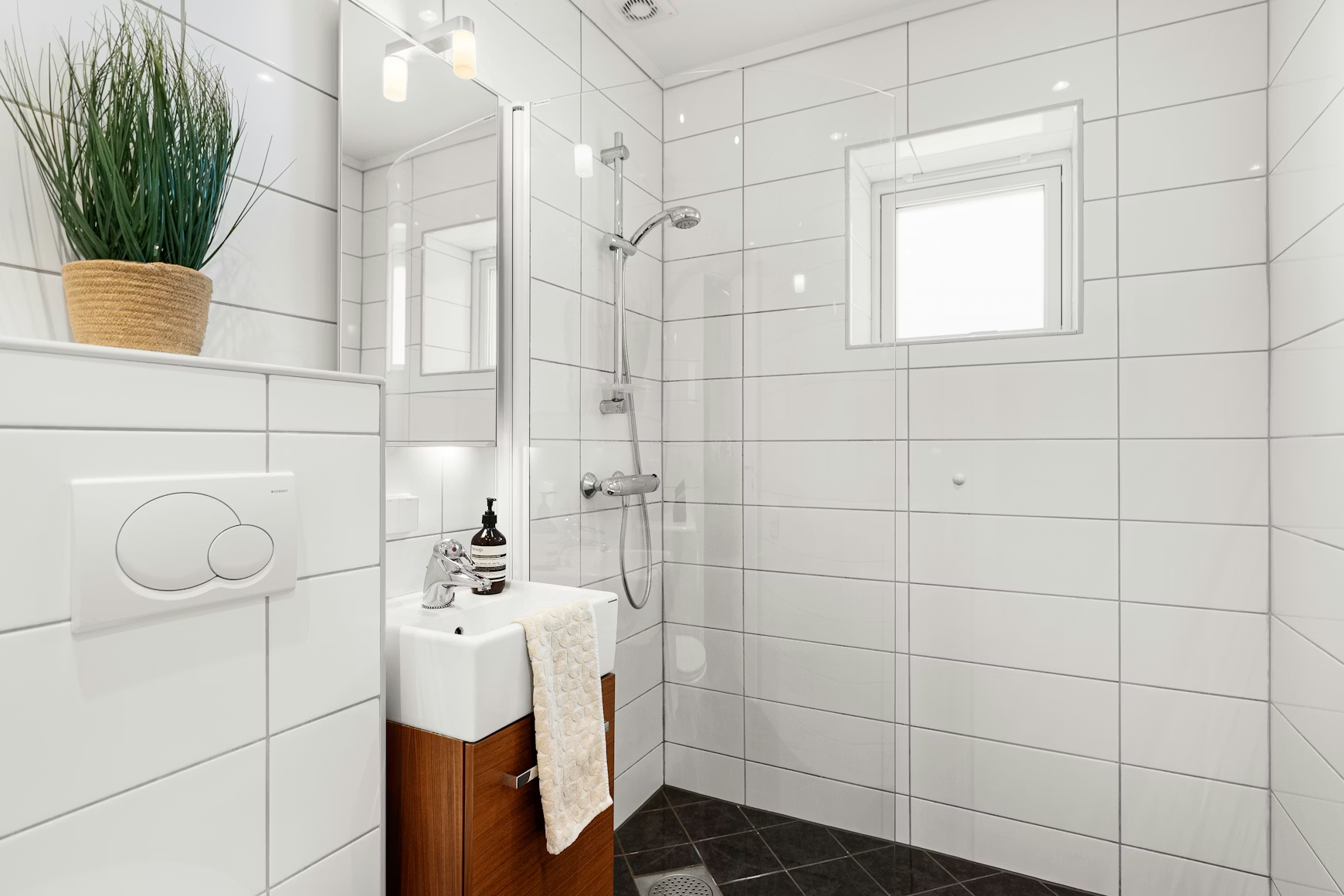
Selecting tile backer boards should be based on performance requirements, not habit or convenience. Moisture exposure, labor conditions and budget will all play a role in determining the best option.
Moisture Resistance and Waterproofing Capabilities
The first question to ask yourself is whether the board is waterproof or simply water-resistant. Fully waterproof boards simplify installations, while water-resistant boards demand additional waterproofing layers.
Weight and Ease of Installation
Heavier boards, such as cement boards, require more labor, stronger fasteners and careful handling. Lightweight foam boards can significantly reduce installation time and physical strain. For large projects or tight timelines, ease of installation can have a major impact on your overall cost.
Cost and Project Budget
Material costs vary widely, but cement boards are typically the most affordable upfront, while foam systems cost more but reduce labor and waterproofing steps.
Compatibility With Waterproofing Membranes
Not all boards work well with all membranes. Some systems are designed to be used together, reducing compatibility issues and warranty concerns. Always verify the manufacturer’s recommendations before combining products.
Code Requirements and Builder Liability
Local building codes often specify approved materials for wet areas. Using non-compliant products increases liability and can create issues during inspections or resale. Selecting code-approved systems protects both the builder and the homeowner.
Best Practices for Installation in Wet Areas
Even the best tile backer board can fail if installed incorrectly. Following proper installation practices is as important as actual material selection and will significantly improve long-term performance.
Fastening and Joint Treatment
Proper fastener spacing and corrosion-resistant screws are critical. Joints must be reinforced with mesh tape and appropriate thin-set or sealant. Skipping these steps weakens the system and allows moisture intrusion.
Sealing and Waterproofing Tips
All seams, corners, penetrations and fasteners must be sealed according to the manufacturer’s instructions. Even waterproof boards can fail if transitions are not treated correctly. Consistency and attention to detail matter more than speed.
Avoiding Common Installation Mistakes
Common errors include mixing incompatible products, leaving gaps unsealed and assuming the tile itself is waterproof. These shortcuts almost always lead to callbacks and repairs. Following system-based installation guidelines reduces risk.
Builder Recommendations by Project Type
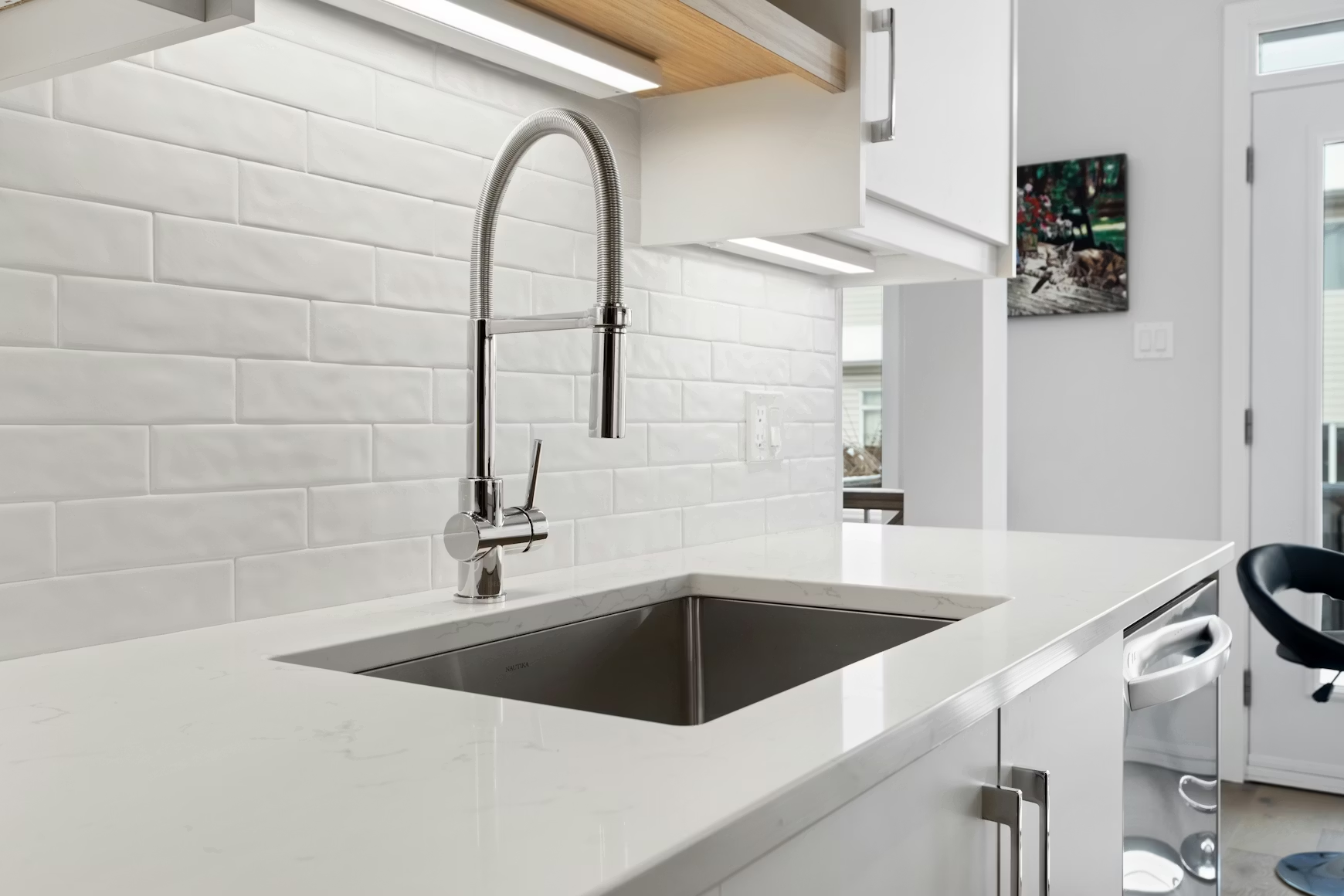
Different projects require different levels of moisture protection, so matching the tile backer board to the application ensures durability and code compliance.
Here are some general recommendations based on exposure level.
Walk-In Showers and Steam Rooms
Foam boards or fully waterproof systems are strongly recommended due to constant water and vapor exposure. These environments demand maximum moisture control.
Tub Surrounds
Cement board or glass mat gypsum board with proper waterproofing performs well in tub surrounds, balancing out cost and durability.
Floors and Backsplashes
Lower-exposure areas may allow more flexibility, but moisture-resistant boards still provide added protection against leaks and humidity.
Find the Best Tile Backer Board with Berry Home Centers
Choosing the right tile backer board is about safeguarding the entire structure behind it. In wet areas, selecting materials that control moisture, meet code and minimize long-term risk is essential for a lasting, trouble-free installation.
At Berry Home Centers, we offer top-quality backer board options and expert guidance to help you at every stage of your project. With the right materials and trusted support, your tile installation is set up for lasting success.
Contact our team for professional advice or to get a quote today.